Choosing the right forklift can be a daunting task for any business, yet it is crucial for optimising efficiency and safety in your operations. With a plethora of options available, from electric to diesel-powered models, understanding the specifics of each type and their applications is essential. This guide seeks to demystify the forklift selection process, equipping you with the knowledge needed to make informed decisions tailored to your unique operational needs.
Whether you are looking to transport goods in a warehouse, manage inventory in a manufacturing setting, or enhance your logistics capabilities, each choice comes with its own set of advantages. By mastering the art of forklift selection, you not only improve productivity but also ensure a safer working environment. Join us as we explore the key factors to consider when selecting the perfect lift for your business, helping you navigate through listings and specifications with confidence and clarity.
Understanding Forklift Types and Their Applications
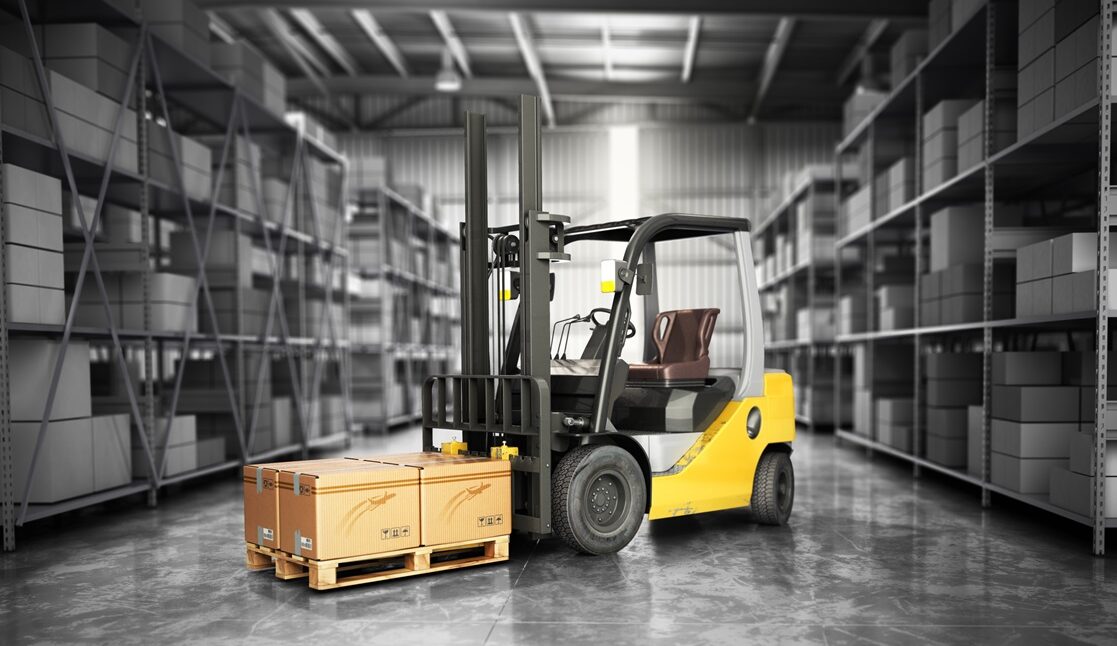
Forklifts come in various models; each designed for specific roles within different operational settings. Common types include counterbalance forklifts, reach trucks, pallet jacks, and order pickers. Counterbalance forklifts are versatile machines used across industries, featuring a weight in the back to balance loads in the front, making them ideal for lifting and transporting heavy loads over short distances.
Reach trucks, designed for high-density storage, allow operators to access pallets stored at significant heights. Pallet jacks, or pallet trucks, are simpler machines used primarily for moving pallets within facilities, often in retail and small-scale warehousing due to their ease of use.
Order pickers are specialised forklifts for efficiently picking individual items from warehouse shelves, commonly used in e-commerce and retail distribution centres where speed is critical. Understanding these forklift types’ specific applications is essential in making an informed selection that aligns with your business needs.
Key Factors to Consider When Selecting a Forklift
When selecting a forklift, consider key factors such as the types of materials you will handle, as different forklifts cater to varying loads. The operating environment also plays a crucial role, with electric forklifts being ideal for indoor use and diesel or LPG models suited for outdoor operations. Additionally, assess the frequency and duration of use; high-demand operations require durable, low-maintenance forklifts, while occasional use might warrant a more basic model. Evaluating these factors will refine your options for a suitable selection.
Additionally, consider the frequency and duration of forklift usage. If your operations involve continuous use over extended periods, a forklift with higher endurance and lower maintenance requirements will be more cost-effective. On the other hand, for occasional use, a less expensive model with basic features might suffice. Evaluating these factors will help narrow down your options and lead to a more tailored selection.
The Importance of Load Capacity in Forklift Choice
Load capacity is a critical consideration when selecting a forklift, as it directly impacts the safety and efficiency of your operations. The load capacity of a forklift determines the maximum weight it can safely lift and transport. Overloading a forklift can lead to accidents, equipment damage, and costly downtime.
To determine the appropriate load capacity, assess the heaviest loads your operations handle and consider the load’s centre of gravity, as an imbalanced load affects stability. Familiarise yourself with the load capacity chart to understand how weight distribution impacts lifting capability. Additionally, consider future growth; investing in a forklift with a slightly higher load capacity can provide flexibility and save costs. Carefully evaluating these requirements enhances operational safety and ensures your forklift meets your business demands.
Evaluating Forklift Power Sources: Electric vs. Internal Combustion
Choosing the right power source for your forklift is another crucial decision that impacts operational efficiency and environmental sustainability. Electric forklifts are powered by batteries and are known for their quiet operation, zero emissions, and lower long-term operating costs. They are ideal for indoor use and environments where air quality and noise levels are a concern.
Internal combustion (IC) forklifts, including diesel, LPG, and petrol models, are ideal for outdoor and heavy-duty tasks due to their robust performance. Diesel forklifts excel in high-torque applications, while LPG provides a cleaner, versatile option for both indoor and outdoor use. Each power source has its pros and cons: electric forklifts need regular charging, while IC forklifts can have higher fuel costs and emissions. Consider your operational environment, workload, and sustainability goals to choose the best power source for your forklift.
Assessing Your Business Environment for Forklift Suitability
The suitability of a forklift for your business environment is determined by several factors, including the layout of your facility, the type of flooring, and the presence of any obstacles or narrow aisles. A thorough assessment of your workspace will ensure you select a forklift that can navigate efficiently and safely.
For instance, if your facility has narrow aisles and tight spaces, a compact and highly manoeuvrable forklift, such as a narrow aisle reach truck, would be ideal. Conversely, if your operations involve extensive outdoor work on uneven terrain, a rough terrain forklift with larger tyres and higher ground clearance would be more suitable.
Additionally, consider any specialised requirements, such as cold storage environments or hazardous material handling. Some forklifts are designed with features that make them more suitable for these specific conditions. By understanding the unique characteristics of your business environment, you can choose a forklift that enhances productivity and safety.
Safety Features to Look for in a Forklift
Safety is paramount when it comes to forklift operations, and modern forklifts are equipped with various safety features to protect operators and bystanders. One essential safety feature is the stability control system, which helps maintain the forklift’s balance and prevent tipping. This system automatically adjusts the tilt and speed of the forklift to ensure stability.
Another important safety feature is the presence of audible alarms and visual indicators. These alerts notify operators and nearby personnel of potential hazards, such as reversing forklifts or obstacles in the path. Additionally, many forklifts are equipped with ergonomic designs that reduce operator fatigue and enhance visibility, further contributing to a safer working environment.
Seat belts, overhead guards, and non-slip surfaces are other critical safety features to consider. Ensuring your chosen forklift is equipped with these features will help minimise the risk of accidents and injuries. Regular training and adherence to safety protocols are also essential to maintaining a safe working environment.
The Role of Ergonomics in Forklift Selection
Ergonomics plays a significant role in forklift selection, as it directly affects operator comfort and productivity. An ergonomically designed forklift reduces physical strain on the operator, leading to increased efficiency and reduced risk of musculoskeletal injuries. Key ergonomic features to look for include adjustable seats, intuitive controls, and ample legroom.
Forklifts with adjustable seats allow operators to customise their position for comfort during long shifts. Intuitive controls and spacious cabins reduce effort and strain, while good visibility enhances safety by improving sightlines. Investing in ergonomic features boosts operator well-being, productivity, and overall safety.
Maintenance Considerations for Your Chosen Forklift
Regular maintenance is crucial to ensuring the longevity and reliability of your forklift. Different types of forklifts have varying maintenance requirements, and understanding these needs will help you plan and budget accordingly. Electric forklifts, for example, require regular battery maintenance, including charging, watering, and cleaning.
Internal combustion forklifts, on the other hand, require more frequent servicing of their engines, including oil changes, filter replacements, and fuel system checks. Regular inspections of tyres, brakes, and hydraulic systems are also essential to prevent breakdowns and ensure safe operation. Establishing a preventive maintenance schedule will help you address potential issues before they escalate.
Additionally, consider the availability of spare parts and the expertise of your maintenance team. Choosing a forklift from a reputable manufacturer with readily available parts and service support can minimise downtime and reduce maintenance costs. By prioritising maintenance, you can extend the lifespan of your forklift and maintain consistent operational performance.
Cost Analysis: Buying vs. Leasing a Forklift
Deciding whether to buy or lease a forklift is a significant financial consideration that depends on your business’s specific needs and budget. Purchasing a forklift outright offers the advantage of ownership, allowing you to customise the equipment and use it without restrictions. It is a cost-effective option for businesses with long-term, continuous forklift usage.
However, buying a forklift requires a substantial upfront investment, and you will also be responsible for maintenance and depreciation costs. Premier Lift Trucks provide options for financing and servicing that can help ease some of these financial burdens.
Leasing, on the other hand, provides flexibility and lower initial costs. It is an attractive option for businesses with temporary or fluctuating forklift needs. Lease agreements often include maintenance services, reducing the burden of upkeep. Premier Lift Trucks also offers tailored leasing options , allowing you to upgrade to newer models more frequently and ensuring access to the latest technology and features.
When making your decision, consider factors such as the duration of use, available capital, and long-term operational goals. A thorough cost analysis, along with insights from Premier Lift Trucks Ltd, will help you determine the most financially viable option for your business.
Conclusion: Making an Informed Forklift Selection
Mastering the art of forklift selection involves a comprehensive understanding of various factors, from the types of forklifts and their applications to power sources, safety features, and maintenance requirements. By carefully evaluating your business needs and operational environment, you can make an informed decision that enhances efficiency, safety, and productivity.
Understanding the importance of load capacity, assessing the suitability of your work environment, and prioritising ergonomics are all crucial steps in choosing the right forklift that suits your unique needs. At Premier Lift Trucks, we have assisted companies across Lancashire , Manchester , and Merseyside to select a forklift tailored to their specific operational requirements.
Weighing the pros and cons of buying versus leasing is essential for making a financially sound decision aligned with your long-term goals. The team at Premier Lift Trucks can provide personalised insights and options for both purchasing and leasing to help you find the best fit.
In conclusion, selecting the perfect forklift for your business requires careful thought and planning. By following this guide and relying on our expertise, you can confidently navigate the forklift selection process, ensuring you choose a lift that supports your operational success and creates a safer, more efficient workplace.