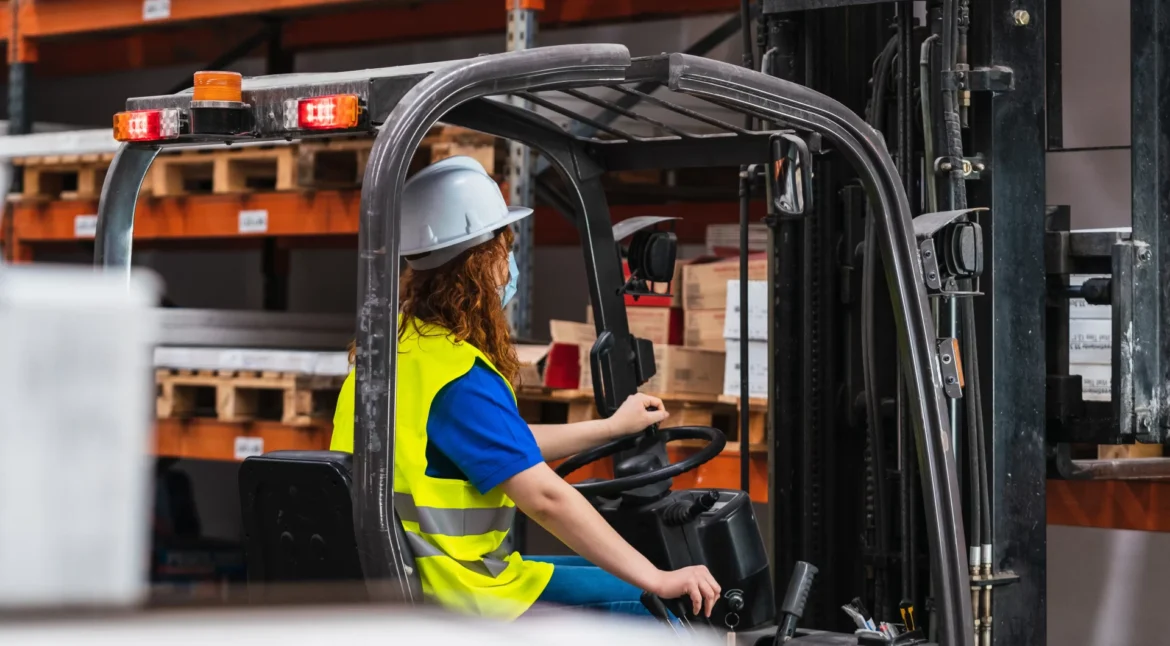
Multi-directional forklifts bring a myriad of advantages to warehouse operations, fundamentally transforming the way material handling is approached. One of the primary benefits is their ability to navigate tight spaces with remarkable ease. Traditional forklifts often require extensive space to manoeuvre, which can be a significant limitation in modern warehouses that are designed to maximise storage efficiency. In contrast, multi-directional forklifts can operate in narrow aisles, allowing for optimal use of available space. This capability not only increases storage density but also enhances overall warehouse layout, leading to improved workflow and organisation. The result is a more streamlined operation capable of handling larger volumes of goods without the need for expansive floor plans.
Another significant advantage is the increased productivity that multi-directional forklifts offer. These machines are designed to transport goods in multiple directions, eliminating the need for time-consuming repositioning. When handling long or bulky loads, traditional forklifts may require several turns to place items correctly. However, multi-directional forklifts can move sideways and diagonally, significantly reducing the time spent on each manoeuvre. This efficiency not only accelerates the loading and unloading processes but also allows warehouse staff to fulfil orders more swiftly, thereby improving customer satisfaction and responsiveness. As a result, businesses can handle a greater volume of transactions and ultimately drive revenue growth.
Additionally, the ergonomic design of multi-directional forklifts contributes to a safer working environment. With improved visibility and control, operators are less likely to encounter obstacles or cause accidents. Enhanced manoeuvrability reduces the risk of collisions with shelving and other equipment, which can lead to costly damage and potential injury. The reduced need for complex movements not only protects products and infrastructure but also promotes a culture of safety among the workforce. As a result, companies can enjoy lowered insurance premiums and enhanced employee morale, as workers feel more secure in their operating environment.
Common challenges in warehouse operations
Warehouse operations are often fraught with challenges that can hinder productivity and efficiency. One common issue is space constraints. As businesses grow and inventory increases, the need for more storage becomes paramount. However, many warehouses are limited by their physical layout, which can lead to overcrowded aisles and inefficient use of available space. This overcrowding not only slows down the picking and packing processes but also increases the risk of accidents and product damage. Furthermore, the inability to optimise space can lead to increased operational costs, as companies may need to invest in additional storage facilities or equipment.
Another significant challenge is the complexity of logistics and inventory management. Coordinating the movement of goods in and out of a warehouse requires meticulous planning and execution. Delays in receiving supplies or fulfilling orders can create a ripple effect, affecting customer satisfaction and overall business performance. In addition, the reliance on manual processes for tracking inventory can lead to errors and discrepancies, further complicating operations. As a result, companies may struggle with maintaining accurate stock levels, which can lead to overstocking or stock-outs, both of which are detrimental to profitability.
Employee safety and training also present ongoing challenges within warehouse environments. The operation of heavy machinery, including forklifts, inherently carries risks, and ensuring that employees are adequately trained is crucial for minimising accidents. Additionally, high turnover rates can result in a continual influx of new staff, requiring ongoing training and adjustment to safety protocols. Failure to maintain a strong safety culture can lead to serious incidents and increased liability for businesses. It is essential for companies to address these challenges proactively to create a safer and more efficient workplace.
How multi-directional forklifts can overcome these challenges
Multi-directional forklifts are uniquely positioned to address many of the challenges faced in warehouse operations. Their compact design allows for operation in narrow aisles, enabling warehouses to maximise vertical storage and utilise their available space more effectively. By reducing the space needed for manoeuvring, these forklifts can free up valuable square footage that can be converted into additional storage or used for other operational purposes. This flexibility allows companies to optimise their layouts and accommodate more inventory without the need for costly expansions.
In terms of logistics and inventory management, multi-directional forklifts enhance efficiency by streamlining the loading and unloading processes. The ability to move loads in any direction means that operators can quickly position goods exactly where they need to go, reducing the likelihood of delays in order fulfilment. Moreover, these forklifts can handle materials more efficiently, allowing for quicker turnaround times. This agility can significantly improve overall productivity, resulting in a more responsive and customer-focused operation. As businesses adapt to the increasing demands for faster delivery, the operational advantages of multi-directional forklifts become even more pronounced.
Safety is another area where multi-directional forklifts can make a substantial impact. With their superior visibility and manoeuvrability, operators can navigate tight spaces with greater confidence and control. This capability reduces the risk of collisions and accidents, promoting a safer working environment. Furthermore, many of these forklifts come equipped with advanced safety features such as automatic braking systems and stability controls, which further mitigate risk. By investing in multi-directional forklifts, companies can not only enhance operational efficiency but also cultivate a culture of safety that prioritises the well-being of their employees.
Tips for maximising efficiency with multi-directional forklifts
To fully leverage the potential of multi-directional forklifts, it is crucial to implement strategies that maximise their efficiency within warehouse operations. First and foremost, proper training for operators is essential. It is vital that personnel understand the unique capabilities and features of multi-directional forklifts to utilise them effectively. Comprehensive training programmes should cover everything from basic operation to advanced manoeuvring techniques, ensuring that operators are well-versed in utilising these machines to their fullest potential. Regular refresher courses can also help maintain high standards of safety and efficiency throughout the organisation.
Another important aspect is the strategic layout of the warehouse. Optimising aisle widths and storage configurations can significantly enhance the performance of multi-directional forklifts. For instance, creating wider aisles can facilitate easier access for these forklifts, allowing them to navigate with ease and reducing the likelihood of collisions. Additionally, implementing a logical flow for inventory—where frequently picked items are placed closer to loading areas—can further expedite order fulfilment processes. By aligning the warehouse layout with the operational strengths of multi-directional forklifts, businesses can achieve significant gains in productivity and efficiency.
Finally, employing advanced warehouse management systems (WMS) can enhance the efficiency of multi-directional forklift operations. These systems can provide real-time data on inventory levels, track the movement of goods, and help optimise routing within the warehouse. When combined with the capabilities of multi-directional forklifts, a robust WMS can facilitate seamless coordination between picking, packing, and shipping processes. This integration not only improves operational transparency but also enables data-driven decision-making, allowing businesses to continuously refine their processes and improve overall efficiency.
Features to consider when choosing a multi-directional forklift
Selecting the right multi-directional forklift for your warehouse operations requires careful consideration of several key features. One of the most important aspects is the lifting capacity. Different models are designed to handle various weights, so it is essential to assess your specific material handling needs. Understanding the types of loads you will be transporting, along with their weights and dimensions, will help ensure you choose a forklift that can meet your operational demands without compromising safety.
Another critical feature to evaluate is the turning radius and manoeuvrability of the forklift. Multi-directional forklifts are renowned for their ability to navigate tight spaces, but some models may offer better performance than others. Look for forklifts that provide a tight turning radius and exceptional control for both forward and lateral movements. This capability will be particularly beneficial in warehouses with confined aisles, as it allows operators to move with precision and efficiency.
Additionally, consider the technological advancements integrated into the multi-directional forklifts. Features such as automatic braking systems, stability controls, and load sensors can significantly enhance safety and performance. Furthermore, some models may offer advanced ergonomic designs that prioritise operator comfort, reducing fatigue during long shifts. Investing in forklifts with modern technology not only improves day-to-day operations but can also contribute to long-term efficiency gains and reduced maintenance costs. Assessing these features will ensure that you choose a multi-directional forklift that aligns with your operational requirements and enhances overall productivity.
Training and safety considerations for operating multi-directional forklifts
Training and safety are paramount when operating multi-directional forklifts, given the complexities involved in manoeuvring these machines in confined spaces. Comprehensive training programmes should be established to educate operators on the specific functionalities and handling characteristics of multi-directional forklifts. Training should encompass both theoretical knowledge and practical skills, ensuring that operators are well-prepared to navigate the unique challenges posed by these machines. Regular assessments and evaluations can help reinforce the importance of safety and operational proficiency.
Safety protocols should also be clearly defined and communicated to all warehouse staff. This includes establishing guidelines for safe operation, such as maintaining a clear line of sight while manoeuvring and adhering to speed limits in narrow aisles. Additionally, implementing a system for reporting near misses or safety incidents can help identify potential hazards and facilitate continuous improvement in safety practices. By fostering a culture of safety, businesses can minimise risks associated with operating multi-directional forklifts and enhance overall workplace safety.
Furthermore, regular maintenance and inspections of multi-directional forklifts are crucial for ensuring their safe operation. Establishing a routine maintenance schedule can help identify any mechanical issues before they become significant problems, thereby preventing accidents and downtime. Operators should also be trained to conduct pre-operation checks, such as inspecting brakes, lights, and steering mechanisms. By prioritising maintenance and safety, companies can create a safer working environment and optimise the performance of their multi-directional forklifts.
Maintenance and upkeep of multi-directional forklifts
Effective maintenance and upkeep of multi-directional forklifts are essential for ensuring their longevity and optimal performance within warehouse operations. Establishing a proactive maintenance schedule is crucial; this should include regular checks and servicing to address any potential issues before they escalate into costly repairs. Routine inspections should encompass critical components such as the hydraulic system, brakes, and electrical systems, ensuring that all elements are functioning correctly. By prioritising these maintenance tasks, businesses can reduce downtime and enhance the reliability of their equipment.
Operators should also be trained to conduct pre-operation checks on multi-directional forklifts. These checks can help identify any visible issues or discrepancies that might affect performance. Simple tasks such as checking fluid levels, inspecting tyres, and ensuring that safety features are operational can prevent serious malfunctions during operation. Encouraging a culture of accountability among operators can lead to better care and attention to the equipment, ultimately extending the lifespan of the forklifts.
Moreover, investing in the right maintenance tools and resources can facilitate more efficient upkeep of multi-directional forklifts. This may include diagnostic tools for identifying technical issues, as well as access to quality replacement parts and repair services. Establishing a strong relationship with a reputable service provider can ensure that any necessary repairs are handled promptly and effectively. By committing to a comprehensive maintenance programme, companies can maximise the performance of their multi-directional forklifts and maintain a competitive edge in their warehouse operations.
Conclusion: Choosing the Right Forklift Fuel Type for Your Business
In conclusion, the decision regarding which forklift fuel type reigns supreme ultimately depends on the unique needs and priorities of each business. Gas, diesel, and electric forklifts each offer distinct advantages and disadvantages, making it essential for companies to carefully evaluate their operational requirements, environmental considerations, and budget constraints. Gas forklifts provide versatility and manoeuvrability, while diesel forklifts excel in heavy-duty applications and fuel efficiency. Electric forklifts stand out for their eco-friendly operation and lower maintenance costs, making them an attractive option for many businesses.
The factors influencing this decision, including operational environment, workload, and maintenance considerations, play a pivotal role in determining the best choice. Businesses must also be mindful of the environmental impact of their operations and the long-term costs associated with each fuel type. By conducting a thorough analysis and understanding the implications of each option, companies can make informed decisions that align with their goals and values.
Ultimately, investing in the right forklift fuel type can significantly enhance operational efficiency, reduce costs, and improve environmental sustainability. As the industry continues to evolve, staying informed about the latest innovations and trends in forklift technology will empower businesses to make choices that support their growth and success in an increasingly competitive landscape.